Most manicure sets are built to last two to three weeks. That range is not a promise and it is not marketing. It is what gel, dip, and acrylic systems can reasonably do on an average pair of hands before growth, wear, and daily water exposure catch up. When a set fails at day five, something specific usually shortened it, and when a set still looks good at week three, something specific protected it. At Vao Beauty in Statesville, the same conversation comes up every week: the product matters, but the hands matter more.
This guide lays out honest timelines by system, then works through what shortens a set, because most early failures are not bad luck. They are leverage, water, heat, and waiting too long to fix a small lift until it becomes a lost nail.
Honest timelines by system
Regular polish on natural nails lasts days, not weeks, usually seven to ten before tip wear and chips show, less for anyone who washes dishes without gloves. Gel polish on natural nails typically gives two weeks of clean wear, sometimes three on slow-growing nails with careful use. Dip powder and acrylic, being harder and thicker systems, commonly go two to three weeks before a fill is due, not because the surface fails, but because the nail underneath keeps growing at roughly three millimeters a month. The grown-out gap at the cuticle and the shifted balance are what end the set, even when the tips still look perfect.
Builder and structured gel overlays sit in the same two-to-three-week fill rhythm. Toes are the exception to everything above. Pedicure polish routinely lasts four to six weeks because feet take less friction, less typing impact, and fewer hot soaks than hands. Judging a manicure by how long a pedicure lasts sets an expectation no hand product can meet.
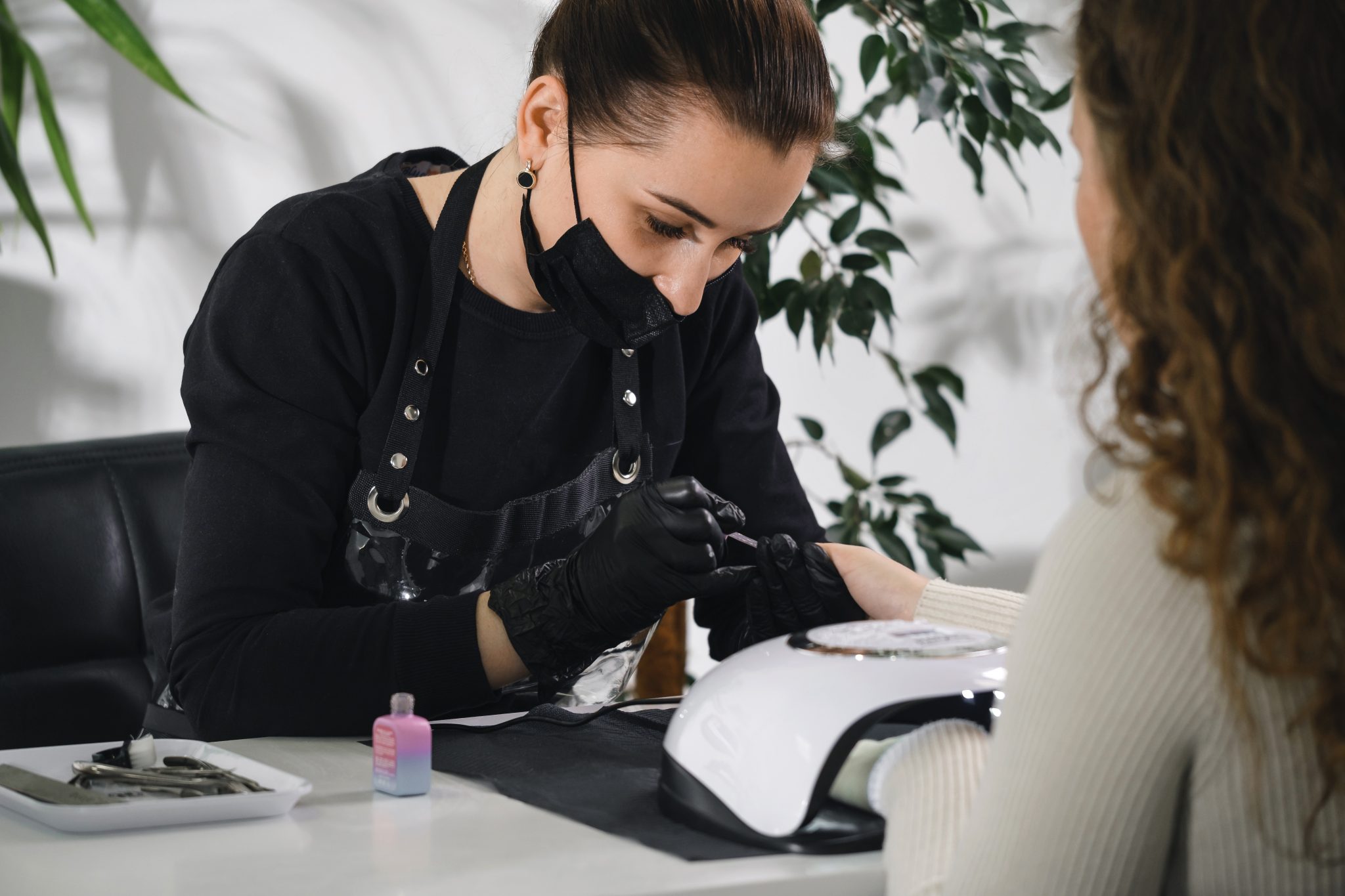
The big four: water, leverage, heat, and chemicals
Water is the most common shortener. Natural nails absorb water and swell, then shrink as they dry. Product bonded on top does not swell at the same rate, so repeated long soaks, dish washing, baths, and swimming work the bond line back and forth until an edge gives.
Leverage is second. Nails used as tools, opening cans, prying lids, scraping, picking at labels, take force at the tip that transfers to the bond and to the natural nail. Longer shapes multiply that force. A short set on a careful pair of hands will outlast a long set on hands that treat nails as flathead screwdrivers, regardless of product. Typing style counts too. Striking keys with the nail tips instead of the pads chips gel tips and stresses acrylic edges thousands of times a week.
Heat and chemicals finish the list. Very hot water softens gel systems temporarily and accelerates the swell-and-shrink cycle. Cleaning solvents, acetone splashes, and some hand sanitizers used constantly through a shift dull and weaken coatings. Health care, cleaning, and food service workers in Statesville often see shorter wear for exactly these reasons, and the fix is usually gloves and a slightly shorter length, not a different brand.
What waiting does to a small problem
Almost every lost nail starts as a small lift. An edge catches, a corner separates a fraction, and the set still looks fine from above. Left alone, that opening takes in water and soap at every hand wash. The trapped moisture softens the bond around it, the lift spreads, and the leverage on the remaining attached area grows. By the time the nail feels loose, the separation is often several times the size of the original lift, and the natural nail underneath may be stained, thinned, or ready to break at the stress point.
The neglected version costs you length and sometimes the whole set. A lift reported and repaired in the first few days is often a quick rebond of one nail. A lift ridden out for two weeks frequently means removing that nail entirely, checking the nail plate, and rebuilding shorter. Prying the rest off at home multiplies the damage, pulling up surface layers and leaving all ten nails weaker for the next set, which then lifts sooner, which tempts more prying. Breaking that cycle is worth more than any product upgrade.
Growth creates the same trap on a schedule. Past three weeks, the heaviest part of an acrylic or builder set has grown toward the tip, turning the nail top-heavy. A routine knock that a balanced set absorbs can now crack the natural nail low, sometimes painfully. People often describe this as the set suddenly failing. It did not suddenly do anything. It aged out of balance one day at a time, visibly, at the cuticle line.
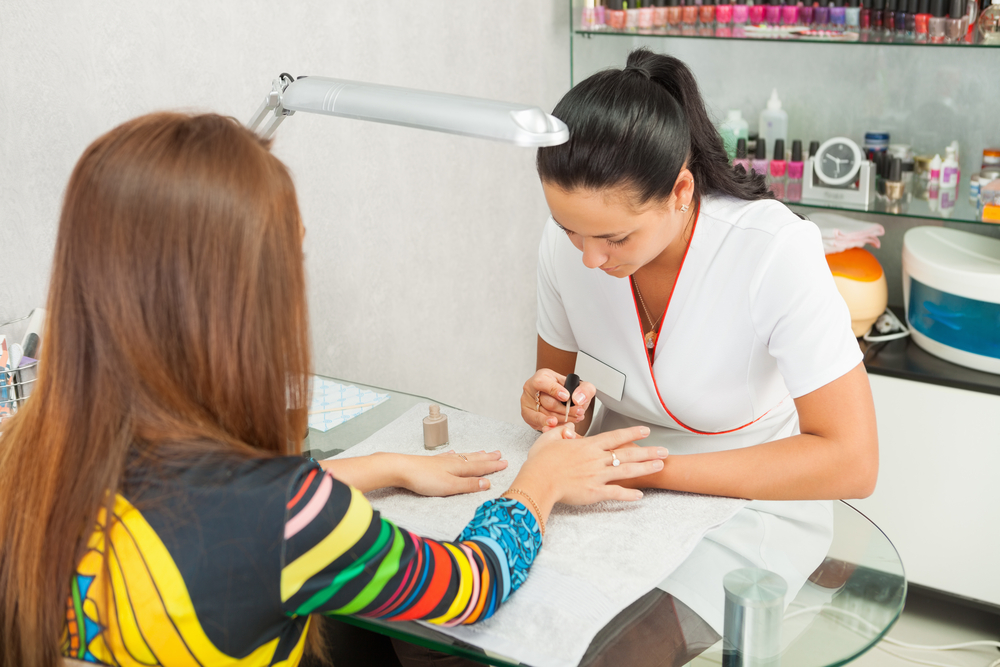
Getting the full life out of a set
Start with length you can defend. If your last set broke at a certain length, going slightly shorter usually adds a full week of clean wear. Keep cuticle oil in the routine daily, because a flexible natural nail and hydrated surrounding skin hold a bond better than dry, shrunken edges. Wear the gloves. Book fills at two to three weeks instead of stretching to four and hoping, and treat any lift, crack, or greenish shadow under a nail as a same-week appointment, not a wait-and-see.
Be straight with your technician about your job and habits at the first appointment. A set built for a desk worker will not survive a mechanic's week unchanged, and a good technician would rather build you a shorter, tougher set that lasts than a longer one that photographs well and fails by Friday. Longevity is mostly a match between the set and the life it has to live.
Common questions
My set lifted after four days. Was it applied wrong?
Not necessarily. Early lifting can come from application, but water exposure, using nails as tools, and very oily or flexible natural nails are equally common causes. Have the salon look at it promptly; the pattern of lifting usually points to the cause.
Does dip last longer than gel?
Dip is harder and often outlasts gel polish on people who are rough on their hands, but both are limited by nail growth and need attention at two to three weeks. The better match for your nail type matters more than the label.
Can a top coat at home extend my set?
A fresh top coat mid-wear can restore shine and seal the tips for a few extra days. It cannot fix lifting or rebalance a grown-out set, so it extends looks, not structure.
Photos in this guide are representative stock images.
← All guides from Vao Beauty← Back to Vao Beauty