Nails do not breathe. That is not an opinion or a salon talking point, it is anatomy. A fingernail is made of hard keratin, the same family of material as hair, and the visible plate is not living tissue. It has no lungs, no pores for air exchange, and no need for oxygen from the surface. Oxygen and nutrients reach the growing nail from the blood supply under the nail bed, from inside the body, whether polish is on top or not. So when someone at Vao Beauty in Statesville asks whether their nails need a break to breathe, the honest answer starts with no, and then gets more useful: a break sometimes helps, but for completely different reasons.
This guide sorts out what a break actually fixes, what it does not, and how to tell whether your nails need time bare, a better removal routine, or nothing at all.
What your nail actually is
The plate you paint is dead, compacted keratin produced by the matrix, the growth area tucked under the skin at the base of the nail. Cells form there, harden, and move forward as the nail grows, about three millimeters a month for fingernails. By the time a cell reaches your fingertip, it has been part of the plate for months. Covering the plate with gel or acrylic does not suffocate anything, because nothing on the surface was taking in air in the first place.
What the surface does exchange is moisture. Nails absorb water readily and release it readily, which is why they soften in a bath and feel brittle in dry winter air. Polish and gel coatings actually slow that moisture loss. Many people who take a so-called breathing break in January find their bare nails feel worse, not better, because uncoated nails lose moisture faster in heated indoor air. The coating was protecting them. The rest was helping something else entirely.
What a break genuinely fixes
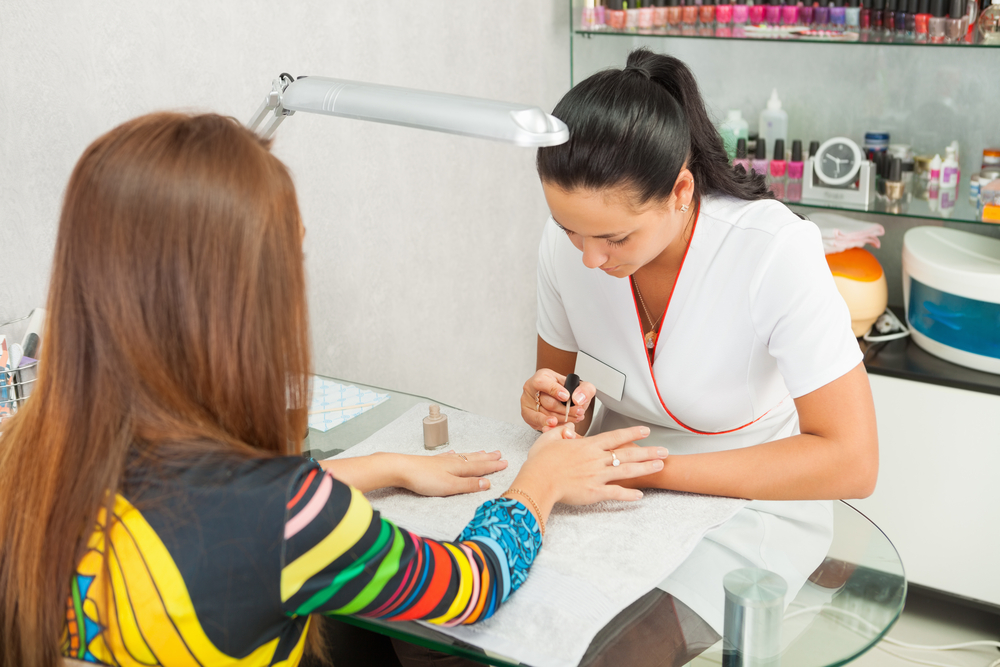
A break from product helps in three real situations. The first is damage from removal. If sets have been pried, peeled, or over-filed, the plate is thinned and rough, and new product will not bond well to it. Time bare, with oil and gentle handling, lets the damaged section grow out toward the tip. That takes weeks to months depending on where the damage sits, and it is growth, not air, doing the repair.
The second is chronic moisture trouble. Nails that have repeatedly lifted and trapped water can develop discoloration, and a nail that keeps separating from its bed needs to be seen clearly, without product, while the cause is sorted out. Bare nails are inspectable nails. The third is simple overuse of hard systems back to back without proper fills, where the plate has taken repeated low breaks and needs to grow past the damaged zone before it can carry structure again.
Notice what is missing from that list: healthy nails that have had properly applied, properly removed sets. Those nails do not need a break at all. Many people wear gel or structured manicures continuously for years with healthy plates underneath, because the application and removal were careful and the fills stayed on schedule.
A practical how-to: deciding and doing it right
- Assess after a proper removal, not before. Have the set soaked or carefully filed off, then look at the bare plate in good light. Healthy signs are an even pink color through the nail, a smooth surface, and no tenderness. That nail does not need a break.
- Name the actual problem if there is one. Thin and bendy points to removal damage. White surface patches point to dryness. Green or dark discoloration, thickening, or separation points to a moisture or health issue that should be checked beyond a salon before new product goes on.
- If you take a break, take it with a routine. Bare nails with no care get drier and break more. Apply cuticle oil daily, keep nails a little shorter than usual, wear gloves for dishes and cleaning, and moisturize after hand washing. A break is active maintenance, not neglect with a nicer name.
- Set the break by growth, not by the calendar. Surface dryness often settles in one to two weeks of oiling. Thinned sections need to grow out, which for a fingernail can mean several weeks to a few months. Your technician can estimate it from where the damage sits on the nail.
- Restart with the right system. Coming back from a break is a good moment to choose a structured gel overlay for protection while the last of a weak section grows out, rather than jumping straight to maximum length and hardness.
How to avoid needing a break at all
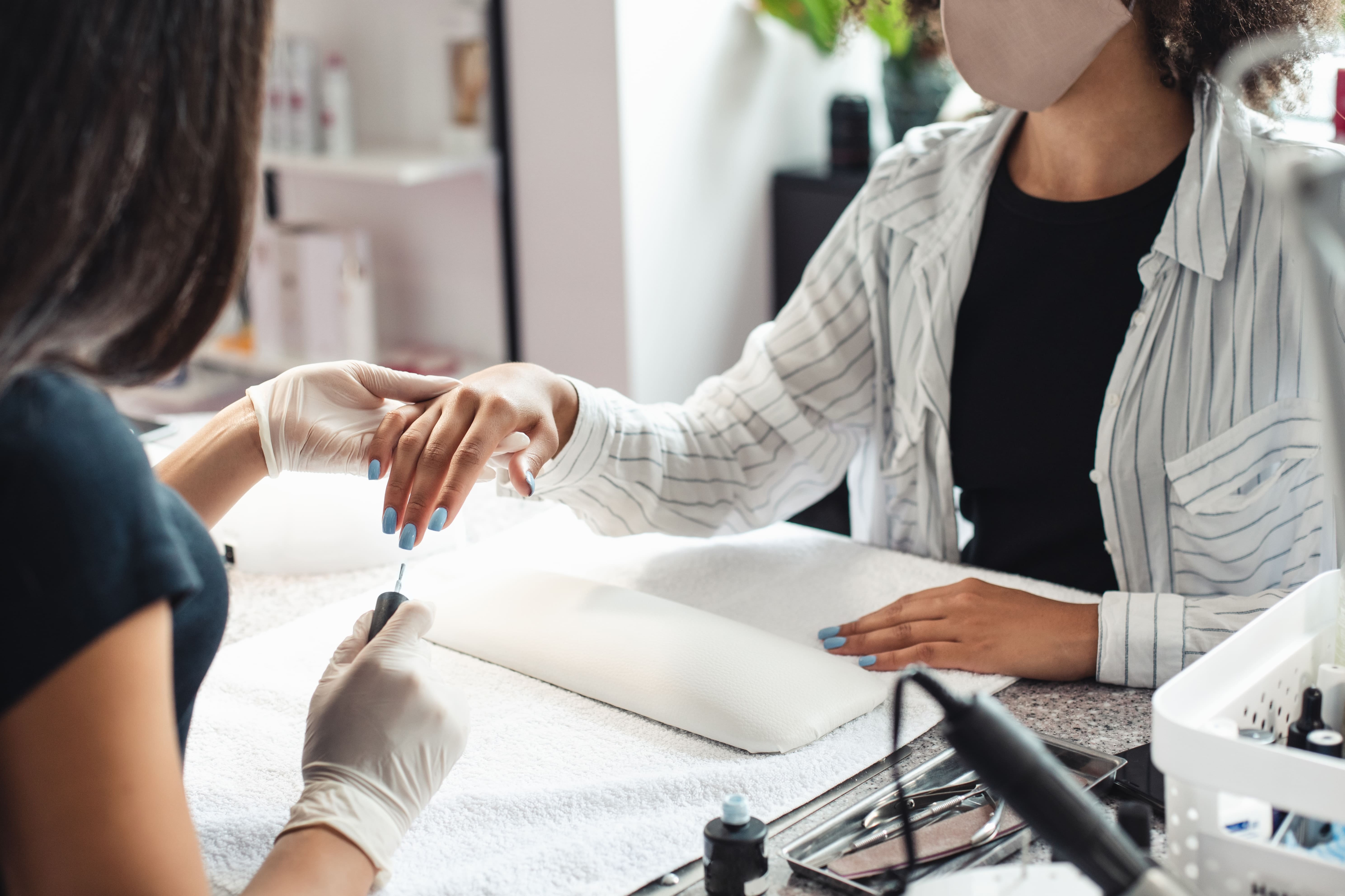
Almost all roads to damaged nails run through removal and overdue maintenance, not through wear itself. Soak-offs done patiently, e-file removal done by someone trained, fills at two to three weeks before leverage builds, and a hard personal rule against peeling product off: those four habits prevent most of the damage people blame on the product. Add daily cuticle oil, which keeps both coated and bare nails in better condition than any rest period.
So, do nails need a break? They need inspection, honest removal, and moisture. If your nails are healthy under your set, wear the set. If they are thinned or discolored, take the break, but take it for the real reason, work the oiling routine while you do, and let growth, not air, do the fixing.
Common questions
If nails do not breathe, why do mine feel better after a break?
Usually because the break included gentler handling, shorter length, and often more moisturizing, while damaged nail grew out. Those help for real reasons. The air itself was not one of them.
Can wearing gel continuously damage my nails?
Gel worn with on-time fills and careful, patient removal does not damage healthy nails. Damage typically comes from prying product off, over-filing during removal, or riding out lifting for weeks.
How long should a break be if my nails are thin and peeling?
Long enough for the thinned area to grow out, which is often several weeks and can be a few months for damage near the cuticle. Daily oil and shorter length during the break matter more than the exact number of weeks.
Photos in this guide are representative stock images.
← All guides from Vao Beauty← Back to Vao Beauty